
Power-First Infrastructure Platform
Developer and Operator of Power-Rich Infrastructure for AI
ISS Mining controls power-rich land and delivers the technical, regulatory, and reputational execution that turns it into deployable capacity — transferring the site at the stage a counterparty requires, or retaining it for development and operation.
01The Constraint
Land Is Not the Shortage. Deliverable Power Is.
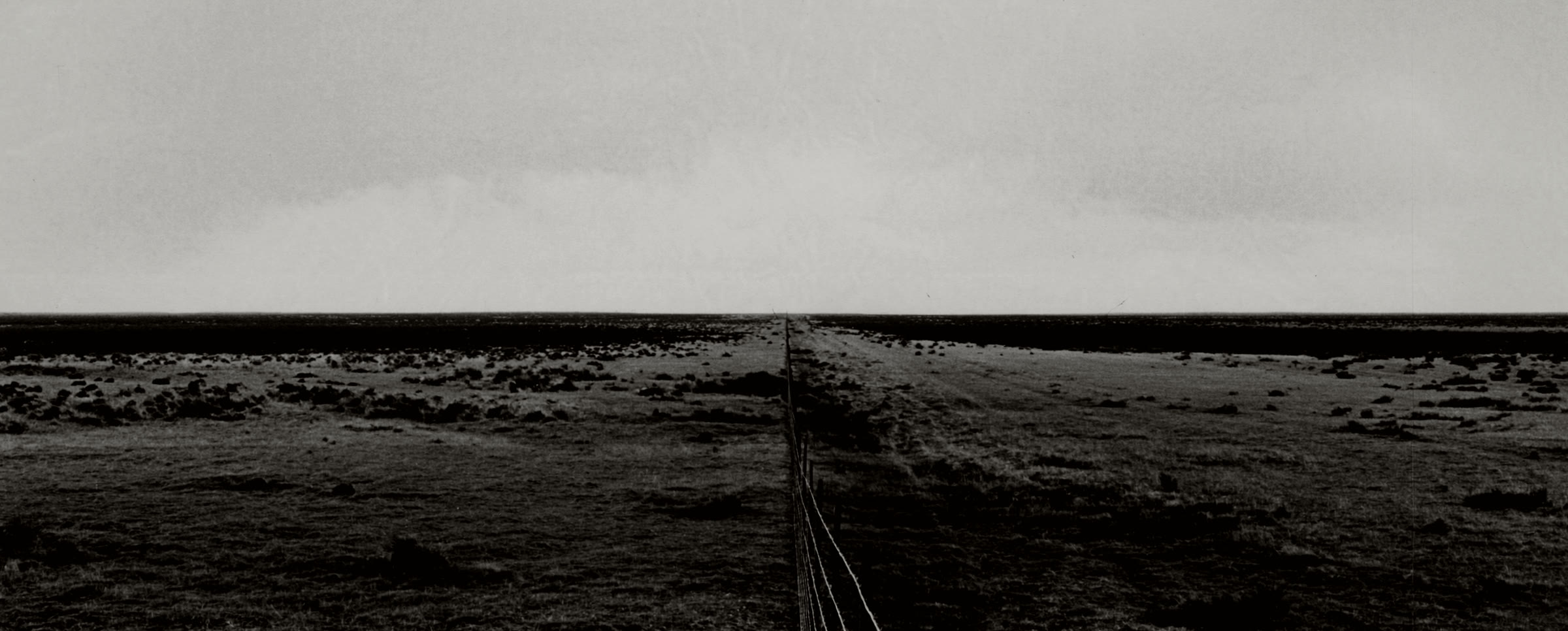
There is available acreage in every market in the country. Almost none of it can carry continuous hyperscale withdrawal on a timeline an operator can build against.
The scarce asset is not land and not megawatts in the abstract — it is a position that a load-serving entity can actually serve, in a sequence that has already been planned, without reinforcement that has yet to be invented.
That distinction is invisible from the outside. A parcel adjacent to a transmission line looks identical to a parcel with a gas lateral at pressure and generation permitted on site.

One is deployable. The other is acreage on a schedule no operator can use, and the difference does not surface until a utility study comes back eighteen months into a deal.

The consequences compound.
Interconnection timelines running five to seven years mean hardware specified for 2027 energizes into a facility completed years after the generation it was bought for has been superseded.
And capacity that could have been controlled early is bought late, at scarcity pricing, from someone who did the work sooner.
02Platform Overview
One Process, Two Outcomes
Every ISS Mining position advances through the same sequence.
Water, power, fiber, gas, title, environmental, and political support are each converted from assumption into documented fact — an energization date rather than a proximity claim, a permitting path rather than a zoning map, a water allocation rather than an aquifer.
- Watera water allocation
an aquifer - Poweran energization date
a proximity claim - Fiberdocumented fact
assumption - Gasdocumented fact
assumption - Titlea permitting path
a zoning map - Environmentaldocumented fact
assumption - Political supportdocumented fact
assumption
At the decision gate, the evidence determines the path. A site is developed and transferred to a counterparty at the stage they wish to enter, or it is retained, built vertically, and operated by ISS Mining as a campus serving tenants under contract.
Both outcomes draw on the same origination, entitlement, and generation capability. The discipline is what makes the platform repeatable rather than opportunistic. The optionality is what allows each position to be routed to its highest use on evidence, rather than on a commitment made before the diligence was done.
03Development and TransferLine 01
Sites Delivered at the Stage You Need Them
ISS Mining configures the deliverable to the point at which a counterparty enters the development process. A site does not need to be carried to completion before it produces value, and the transaction is structured to the buyer's requirement rather than to a single product.
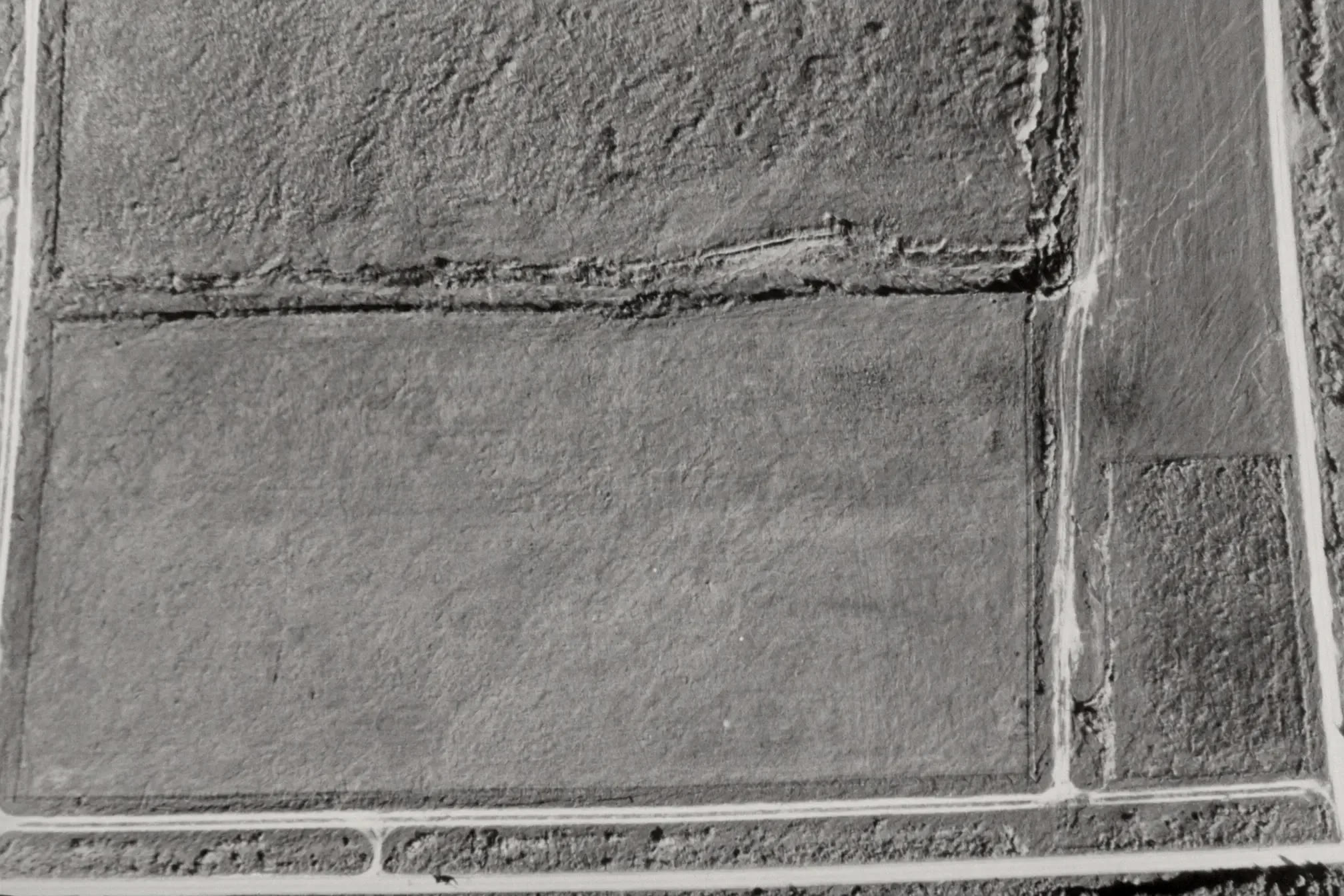
St. 01The ground, documented Controlled and Verified
A controlled position with the complexity work complete — title cleared and assembled where ownership is fragmented, utility path established, water rights and withdrawal permitting mapped, fiber routes confirmed for diverse entry, environmental and geotechnical work in hand, and the political position secured with the authorities who will rule on it.
- Full diligence record assembled and conveyable at closing
- Utility correspondence, load studies, and permitting history transfer with the asset
- The buyer retains complete control of design, generation strategy, and construction sequence
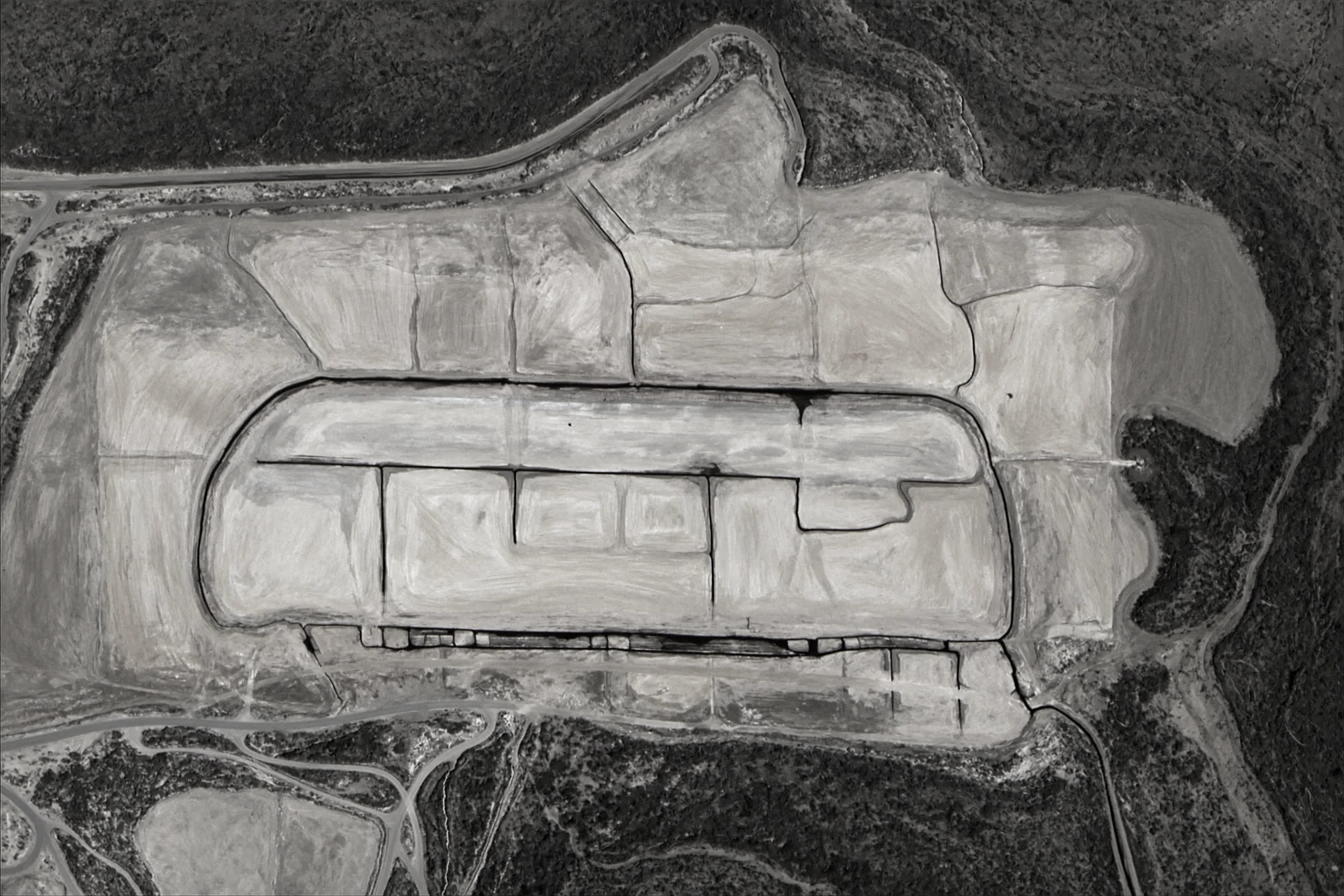
St. 02Graded to the interface Horizontal-Ready
A site permitted, engineered, and prepared to the interface at which the buyer's own power arrangement takes over. Civil, electrical, and utility interface work is complete to a defined boundary, documented so the buyer's engineering team can scope against it without rediscovery.
- Site preparation, mass grading, and foundational infrastructure delivered
- Entitlements secured and utility coordination advanced to the point of interconnection
- The buyer's independent power producer integrates against a defined, documented interface
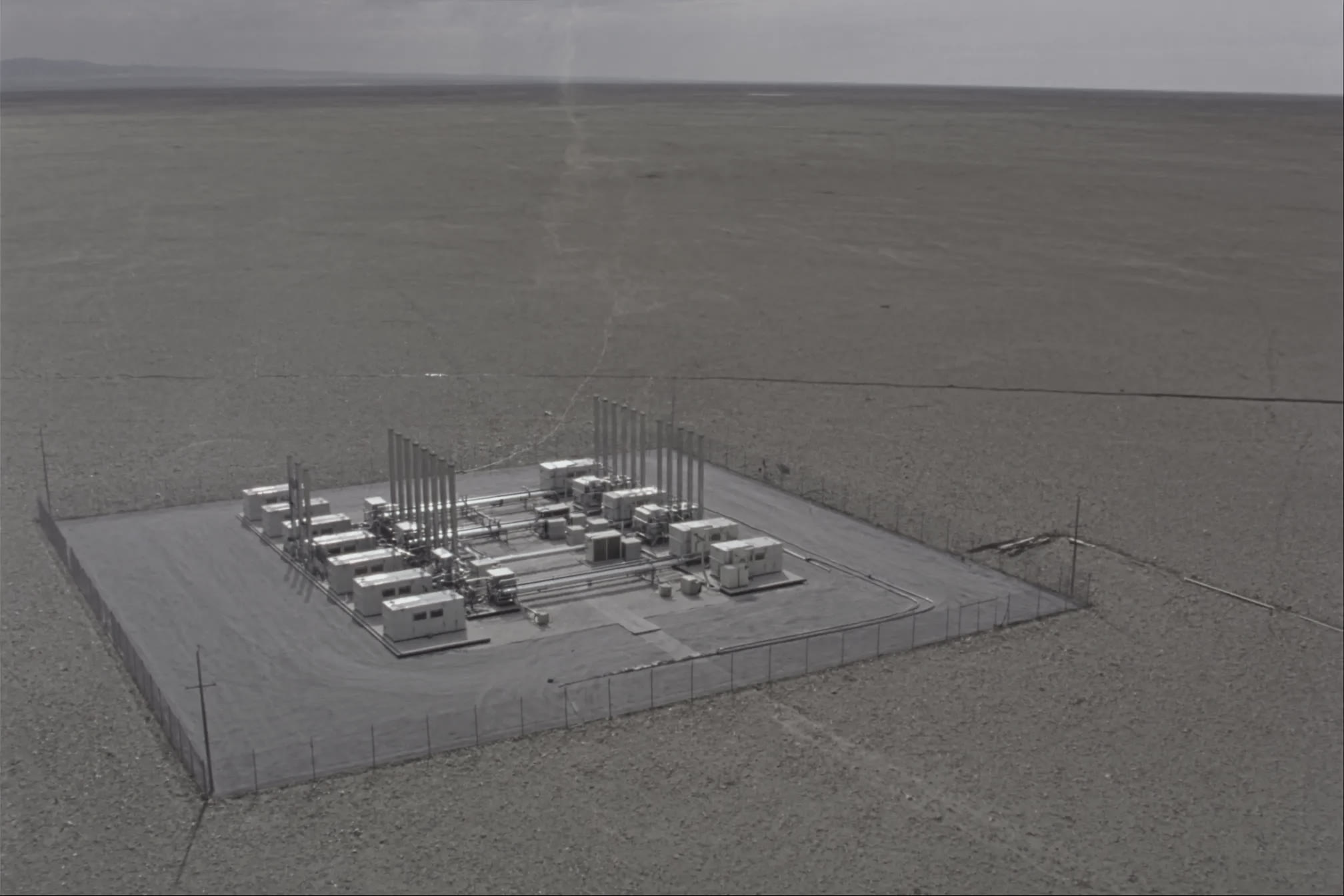
St. 03Generation co-located with load Powered
Full horizontal development including on-site generation, delivering a site that energizes without waiting on permanent utility interconnection. Generation is co-located with load on a behind-the-meter basis and sized to the site's intended deployment.
- Grid-independent generation with islanding and black-start capability
- Phased energization as load ramps, avoiding stranded capital during buildout
- Permanent interconnection pursued in parallel rather than as a prerequisite
04Development and OperationLine 02
Campuses ISS Mining Builds and Runs
ISS Mining retains selected positions rather than transferring them. On these sites the company completes vertical development and operates the campus directly, carrying the asset through construction, energization, and into service.
Retention is decided at the gate, on evidence. A position is held where the power position is strong enough, the entitlement path clear enough, and the market deep enough that operating the asset produces more value than transferring it. Positions on this path are under active development.
Operating rather than transferring changes what the counterparty is buying. A tenant contracts for capacity instead of acquiring land, and ISS Mining carries the delivery, availability, and performance obligations across the life of the agreement — which is a materially different commitment from a developer whose responsibility ends at closing.
- Power positionstrong enough
- Entitlement pathclear enough
- Marketdeep enough

05CapacityLine 02
Contract Capacity Ahead of Delivery
Capacity on retained campuses is available for forward reservation in advance of energization. Operators contracting early secure position, pricing, and delivery sequence ahead of the market, on infrastructure engineered for current-generation rack densities rather than retrofitted to accommodate them.
campus
Wholesale
Full-campus and multi-hall commitments for operators deploying at scale, with capacity phased against a defined ramp.
hall
Large-retail
Hall and container-scale commitments for operators requiring dedicated infrastructure below full-campus scale.
rack
Retail
Rack-level capacity on the same grid-independent power and cooling architecture.
Agreements define available capacity, delivery window, and performance terms explicitly. Where delivery depends on a condition not yet satisfied — a utility commitment, a power allocation, an entitlement — that condition is written into the agreement rather than assumed. Operators who have been through a delayed energization understand why that matters.
06Integrated CapabilitiesShared
The Work That Determines Whether a Site Moves
Powered land at AI scale demands fluency across three domains at once — technical, regulatory, and reputational.
Most counterparties are competent in one. Sites stall in the gaps between them.
ISS Mining is structured to execute across all three, on positions it transfers and on positions it retains.
Land Origination and Control
Direct landowner relationships, off-market sourcing, and assembly across fragmented ownership — including multi-owner positions requiring simultaneous negotiation across separate entities and hundreds of individual appraisal accounts.
Site Verification
Water yield and withdrawal permitting, load-serving capacity, gas lateral distance and pressure, fiber diverse entry, title, environmental, and geotechnical work conducted to institutional standard and documented for conveyance.
Regulatory and Entitlement
Zoning and rezoning, permitting, environmental review, pipeline tap, water rights, and interconnection managed against the regulatory geometry of each state, county, and service territory. Vertically integrated states behave nothing like organized markets, and there is no national playbook.
Community and Government Relations
Sustained engagement with county commissions, municipal authorities, economic development agencies, and utility leadership — including the incentive and abatement structures that determine whether a project is economically viable and whether a permit is granted on schedule.
Power Procurement and Generation
Utility negotiation, large-load tariff structuring, will-serve and interconnection management, and on-site generation deployment — including behind-the-meter configurations that energize a campus years ahead of permanent utility delivery.
Development and Operations
Civil works, electrical infrastructure, water and fiber delivery, vertical construction, and the operating capability required to run a campus and serve tenants under contract.
07GenerationShared
Behind the Meter, Where the Structure Requires It
Interconnection timelines running five to seven years are fundamentally misaligned with the pace at which AI capacity is being deployed. Where a transaction calls for ISS Mining to deliver power — on a site being transferred or a campus being retained — the approach is grid-independent generation co-located with load.
The reference architecture specifies native 800 VDC distribution and hybrid liquid cooling against the next generation of AI compute, with rack densities moving to 600 kW in 2027 and megawatt-class thereafter. Infrastructure built to current densities will not accommodate that transition without replacement. It is an architecture rather than a product; generation and distribution are sized to the individual site and its intended load.
Where a counterparty brings its own generation, the architecture informs site design without forming part of the deliverable.
| Distribution | Native 800 VDC |
|---|---|
| Cooling | Hybrid liquid |
| Rack density | 600 kW in 2027, megawatt-class thereafter |
| Sizing | Sized to the individual site and its intended load |

08Get In Touch
Connect With ISS Mining
ISS Mining works with hyperscale operators, AI infrastructure companies, colocation providers, infrastructure-focused capital partners, and landowners.
- Powered Land Inquiry
- Capacity Reservation
- Development Partnership
- Landowner Inquiry
- General Information
- Media